

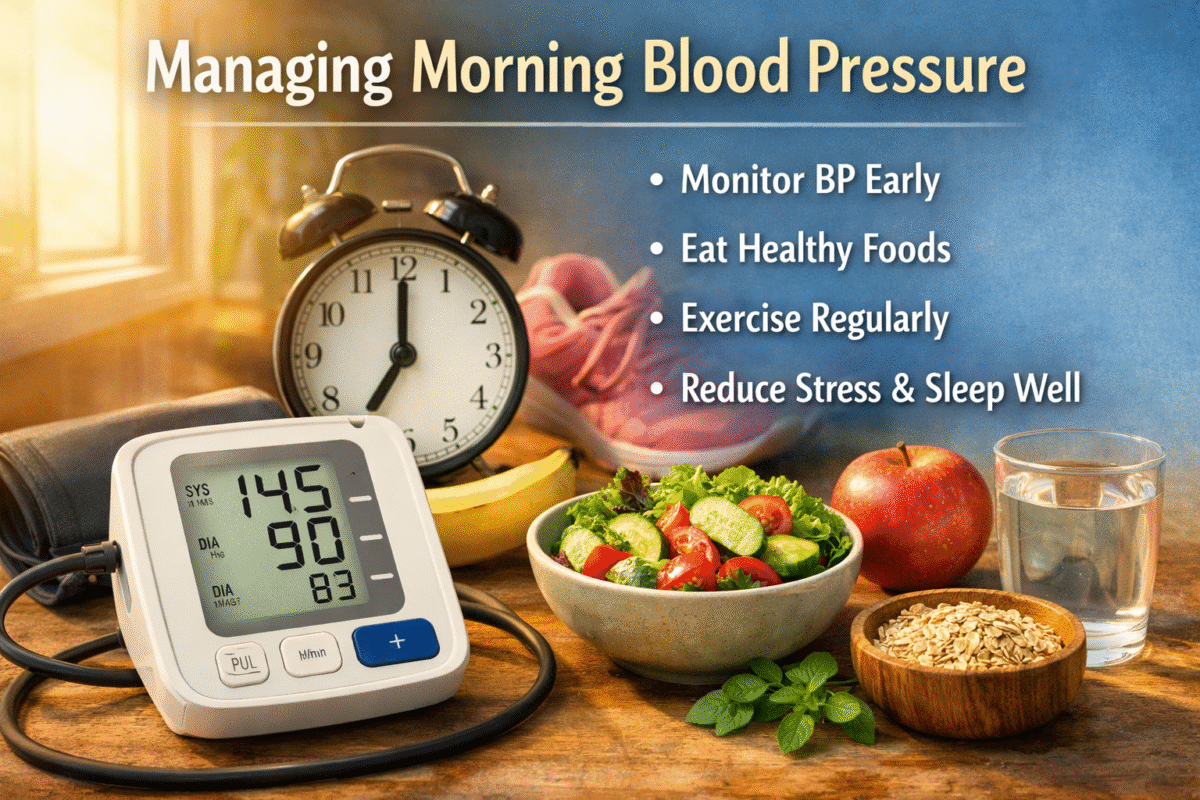
Why Blood Pressure Peaks in the Morning — And How to Manage It Effectively – Understanding the Morning Blood Pressure Surge. Many people are surprised when they measure their blood pressure early in the morning and find it higher than usual. This increase is not random. The body follows a natural 24-hour rhythm, and blood pressure tends to dip during sleep and rise sharply upon waking. This rise is commonly known as the morning blood pressure surge.
As the body transitions from rest to activity, the nervous system becomes more active. Stress hormones such as cortisol and adrenaline are released to help you wake up and prepare for the day. These hormones cause blood vessels to tighten and the heart to beat faster, which naturally raises blood pressure. For healthy individuals, this increase remains within safe limits. However, for others, the surge can be excessive and potentially dangerous.
Morning hours are considered a critical period for heart health because the risk of heart attacks and strokes is higher during this time. That’s why understanding and managing morning blood pressure is essential, especially for people already diagnosed with hypertension.
Why Morning Blood Pressure Matters for Heart Health
Consistently high blood pressure in the morning can increase the strain on the heart and blood vessels. Even if it readings appear normal during the day, elevated morning levels may still raise cardiovascular risk.
Several factors can make morning blood pressure spikes more severe:
Increasing age
Smoking or excessive alcohol intake
Chronic stress or anxiety
Poor sleep quality or irregular sleep schedules
Conditions like sleep apnea
Sedentary lifestyle
When left unmanaged, morning hypertension may contribute to long-term complications such as heart disease, stroke, and kidney problems. That’s why early detection and proactive management are crucial.
Table of Contents
How to Measure Blood Pressure Correctly in the Morning
Timing Makes a Big Difference
To get accurate and meaningful readings, it should be measured properly. The ideal time is within one hour of waking up, before eating breakfast, drinking tea or coffee, or engaging in physical activity.
Sit quietly for five minutes before measuring. Keep your back supported, feet flat on the floor, and arm at heart level. Avoid talking during the measurement. Taking readings at the same time each morning for several days helps identify consistent patterns rather than one-time spikes.
Home blood pressure monitoring is highly effective for detecting morning hypertension, especially when clinic readings do not tell the full story.
Lifestyle Changes That Help Control Morning Blood Pressure
Follow a Heart-Healthy Diet
Diet plays a major role in regulating it. A balanced diet that emphasizes fruits, vegetables, whole grains, lean proteins, and low-fat dairy can significantly improve it control.
Reducing salt intake is particularly important, as excess sodium causes the body to retain fluid and increases pressure on blood vessels. Replacing processed foods with fresh, home-cooked meals makes a noticeable difference.
Foods rich in potassium, such as bananas, spinach, beans, and sweet potatoes, help balance sodium levels and relax blood vessels.
Stay Physically Active
Regular physical activity strengthens the heart and improves blood flow. Even moderate exercise such as brisk walking, cycling, or yoga for 30 minutes a day can lower it over time.
Morning exercise can be beneficial, but people with very high morning it should consult a doctor before engaging in intense workouts early in the day.
Read Also – Vidyut Jammwal as Dhalsim in Hollywood Street Fighter Reboot
Improve Sleep Quality
Poor sleep is strongly linked to high blood pressure. Lack of sleep, irregular sleep schedules, or untreated sleep disorders can worsen morning blood pressure surges.
Aim for 7–8 hours of uninterrupted sleep each night. Maintain a consistent bedtime, limit screen use before sleeping, and avoid caffeine or heavy meals late in the evening. Quality sleep allows the body to regulate hormones that influence it.
Manage Stress Effectively
Chronic stress triggers hormonal changes that can elevate it, especially in the morning. Stress-management techniques such as meditation, deep breathing, mindfulness, and light stretching can help calm the nervous system.
Even spending a few quiet minutes after waking — instead of rushing or checking your phone immediately — can reduce stress-related blood pressure spikes.
The Role of Medication and Timing
For some individuals, lifestyle changes alone may not be enough to control blood pressure. In such cases, medication may be necessary. However, when medication is taken can be just as important as what medication is taken.
In people with morning hypertension, adjusting the timing of it medication — sometimes shifting it to evening dosing — may help reduce early-morning spikes. This decision should always be made in consultation with a healthcare professional.
Never change or stop prescribed medication without medical advice.
When to See a Doctor
If your morning its readings are consistently high, even when daytime readings appear normal, it is important to consult a healthcare provider. Persistent morning hypertension may require additional evaluation or treatment adjustments.
Seek medical advice if you experience symptoms such as headaches, dizziness, chest discomfort, or shortness of breath along with high blood pressure readings.
Final Thoughts: Take Control of Morning Blood Pressure
A rise in blood pressure after waking is a natural part of the body’s rhythm. However, when this rise becomes excessive or frequent, it may signal an increased risk to heart health.
Regular monitoring, healthy lifestyle habits, stress management, proper sleep, and timely medical care can go a long way in controlling morning blood pressure. Small, consistent changes made daily can protect your heart and improve overall well-being.
Starting your day calmly and consciously may be one of the simplest — yet most powerful — steps toward better it control.