
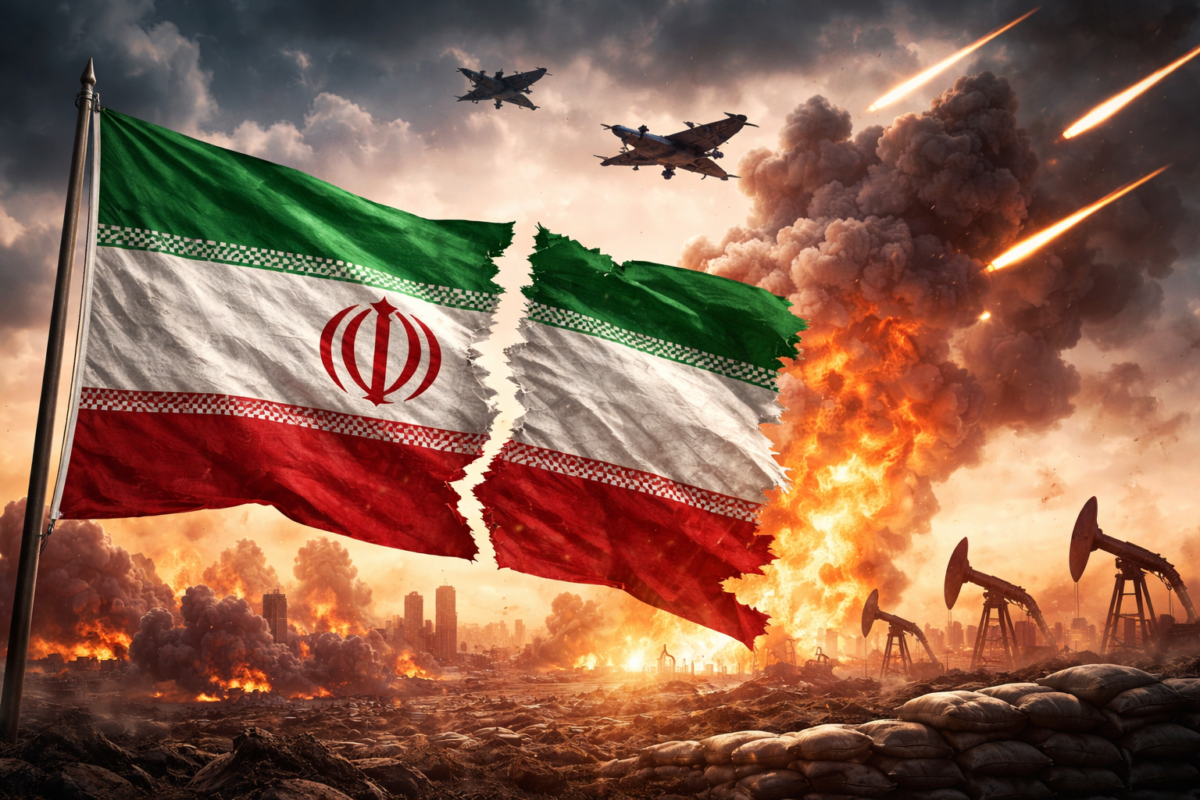
Iran warns the war won’t end without compensation, sanctions relief, and security guarantees. Explore the latest developments, global impact, and what this means for peace talks. The ongoing geopolitical conflict involving Iran and United States has entered a critical phase, with rising tensions and uncertain diplomatic outcomes. As global powers call for de-escalation, Iran has made its position unmistakably clear: the war will not end unless compensation, sanctions relief, and firm guarantees are provided. This stance is reshaping the dynamics of international negotiations and prolonging the path toward peace.
Iran Sets Clear Conditions for Peace
Iranian leadership has laid out firm and non-negotiable conditions for ending the conflict. Officials have emphasized three primary demands:
Compensation for damages caused during the conflict
Complete removal of economic sanctions
Binding guarantees to prevent future military or political interference
These demands reflect Iran’s strategic intent to secure both economic recovery and long-term security. By insisting on accountability, Tehran aims to ensure that any peace agreement addresses not just the current conflict but also future risks.
Table of Contents
Diplomatic Tensions and Conflicting Narratives
One of the most confusing aspects of the current situation is the contradiction surrounding peace talks. While officials in the United States have suggested that negotiations are ongoing, Iran has publicly denied engaging in direct discussions.
This discrepancy highlights the fragile nature of diplomacy in times of conflict. Indirect talks through intermediaries may be taking place, but without official acknowledgment, progress remains uncertain. Iran has also indicated that meaningful dialogue cannot begin unless military actions cease and its conditions are taken seriously.
Origins of the Escalation
The conflict escalated following a series of military actions targeting key Iranian facilities. In response, launched retaliatory strikes, expanding the scope of the confrontation across the region.
This escalation has transformed a localized conflict into a broader geopolitical crisis. Iran has framed its actions as defensive, asserting its right to protect national sovereignty against external aggression.
Impact on Global Energy Markets
One of the most significant consequences of the conflict has been its impact on global energy supplies. The disruption of shipping routes, particularly through the Strait of Hormuz, has caused major concerns in international markets.
As a vital passage for global oil shipments, any instability in this region has immediate ripple effects. Oil prices have surged, and economies around the world are feeling the pressure of rising energy costs and inflation.
Countries heavily dependent on imported energy are particularly vulnerable, and many have begun implementing contingency measures to mitigate the economic fallout.
Growing International Concerns
The conflict has not remained confined to a single region. Several neighboring countries have experienced the effects of military escalation, including missile threats and disruptions to infrastructure.
Global leaders and organizations have urged both sides to exercise restraint. There is widespread concern that continued escalation could trigger a larger regional war, further destabilizing the Middle East and impacting global economic recovery.
Despite these warnings, military actions continue, and tensions remain high.
Iran’s Strategic Position
Iran’s insistence on compensation and guarantees is a calculated move. By setting firm conditions, the country is strengthening its position in any potential negotiations.
This approach allows to push for economic relief while also seeking long-term assurances of security. It signals a shift in strategy, where diplomatic outcomes must deliver tangible benefits rather than temporary ceasefires.
Read Also – Laura Loomer Apologises for Anti-India Posts full contro
From a geopolitical perspective, this stance increases pressure on opposing parties to consider broader concessions if they seek a resolution.
The Road Ahead: Uncertain but Critical
The possibility of a diplomatic breakthrough remains uncertain. While there are indications of behind-the-scenes discussions, the gap between the demands of Iran and the positions of other global powers is still significant.
Mediation by neutral countries could play a crucial role in bridging this divide. However, without a clear commitment to address Iran’s demands and reduce military activity, progress is likely to remain slow.
Conclusion: A Conflict at a Turning Point
The ongoing conflict involving Iran and the United States is at a decisive moment. Iran’s demand for compensation, sanctions relief, and security guarantees has added complexity to peace efforts and raised the stakes for all parties involved.
As the situation evolves, the world continues to watch closely. The outcome of this crisis will not only shape the future of the region but also influence global economic stability and international relations.
For now, the message from Iran is clear: without meeting its شروط, the war is unlikely to come to an end anytime soon.