
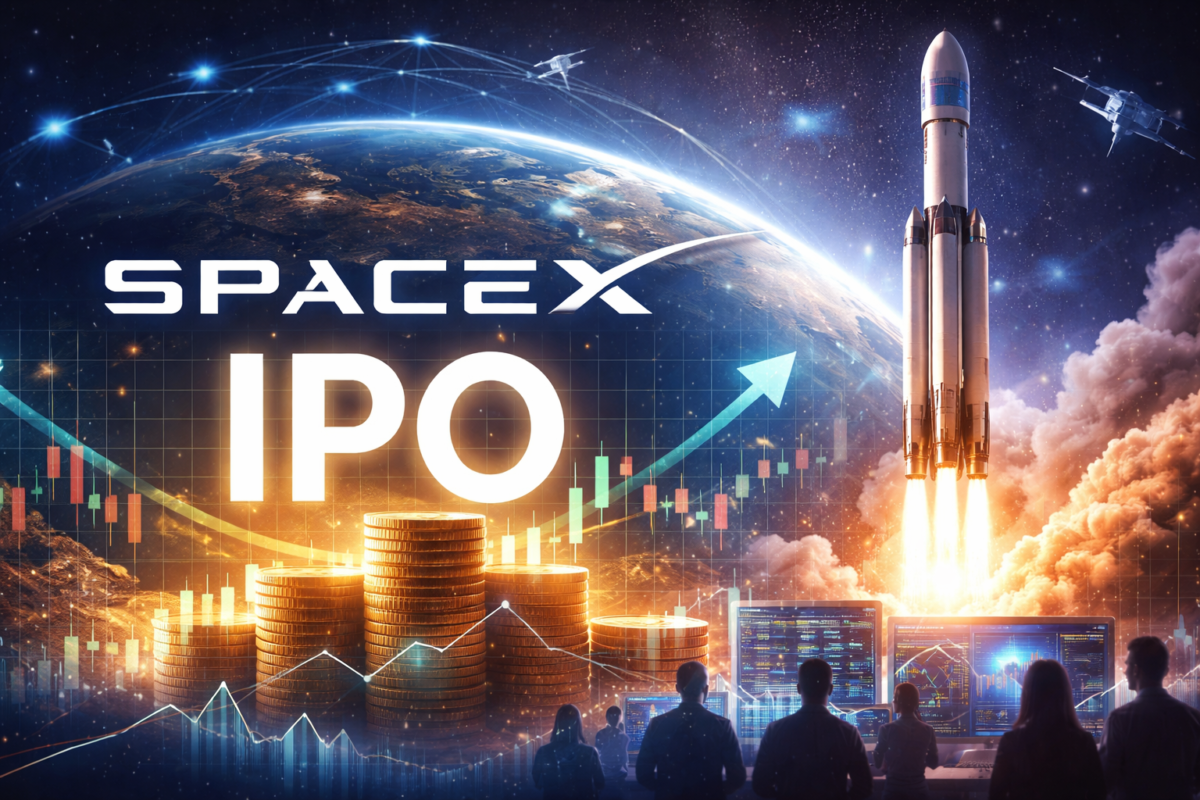
Discover why the SpaceX IPO may fall short of investor expectations. Explore risks like high valuation, Starlink challenges, and market pressures before investing. The Most Anticipated IPO of the Decade, The potential IPO of SpaceX has captured global attention and sparked intense excitement among investors. With expectations of a massive valuation and record-breaking fundraising, it could become one of the most talked-about public listings in history.
Led by visionary entrepreneur Elon Musk, the company has redefined space exploration, pioneered reusable rocket systems, and built a rapidly growing satellite internet business. Despite these achievements, there are increasing concerns that the IPO may not generate the kind of returns many investors are hoping for.
Sky-High Valuation Raises Concerns
One of the primary risks lies in the expected valuation. When a company goes public at an extremely high price, it often reflects years of anticipated growth already built into the stock.
In such cases, future gains can be limited because the market has already priced in success. Even if SpaceX continues to perform well, investors buying at IPO levels may see modest returns compared to earlier private stakeholders.
History shows that companies entering public markets at peak valuations often struggle to deliver outsized gains in the short to medium term.
Table of Contents
Starlink: A Powerful Asset With Cost Pressures
A major driver of investor interest is Starlink, the satellite internet division of SpaceX. It offers global connectivity and generates recurring revenue, making it a strong pillar of the company’s business model.
However, maintaining and expanding a satellite network is capital-intensive. Frequent launches, infrastructure upgrades, and operational costs can significantly impact profitability. Additionally, growing competition in the satellite and broadband space may put pressure on pricing and margins.
While Starlink holds immense potential, it may take time to deliver consistent and scalable profits that justify a premium valuation.
A Capital-Intensive Industry
Space exploration is not a typical business. It requires enormous investment, long development cycles, and carries significant technical risks.
Even with advancements like reusable rockets, SpaceX operates in a sector where delays, failures, or cost overruns are always possible. These uncertainties can affect revenue stability and investor confidence.
Public market investors often prefer predictable earnings, and the inherent volatility of the space industry may not align with those expectations.
Leadership: Vision Meets Volatility
Elon Musk is widely recognized for his ability to disrupt industries and push technological boundaries. His leadership has been instrumental in shaping the success of SpaceX.
However, his bold approach and unconventional style can introduce unpredictability. Ambitious timelines, high-risk projects, and multiple business commitments may lead to fluctuations in investor sentiment once the company is publicly traded.
For some investors, this adds an additional layer of risk to an already complex investment opportunity.
IPO Structure May Limit Investor Influence
Another factor to consider is the likely structure of the IPO. Companies of this scale often adopt shareholding models that allow founders and insiders to retain control.
This means public investors may have limited decision-making power, even after investing significant capital. Additionally, early investors and insiders typically benefit the most during IPOs, as they can exit at higher valuations.
Read Also – Anil Ambani and Reliance Communications ₹1085 Crore Bank
Retail investors entering at listing prices may face limited upside if growth expectations are already fully priced in.
Long-Term Vision vs Short-Term Expectations
SpaceX is built on a long-term vision—expanding human presence beyond Earth. Projects like deep-space missions and interplanetary travel require patience, investment, and time.
However, public markets tend to focus on quarterly performance and near-term results. This difference in perspective can create tension between the company’s goals and investor expectations.
Such a mismatch often leads to stock price volatility, especially if short-term financial results do not align with long-term ambitions.
The Reality Behind the Hype
There is no denying that SpaceX is one of the most innovative companies in the world. Its technological breakthroughs have transformed the aerospace industry and opened new possibilities for global connectivity.
However, a great company does not always translate into a great investment—especially at a high entry price. Factors such as valuation pressure, operational risks, and market expectations can limit returns for new investors.
Conclusion: Invest With Caution
The IPO of SpaceX is likely to be a landmark event, drawing attention from investors worldwide. But beyond the excitement, it is important to evaluate the fundamentals carefully.
High expectations, combined with industry risks and structural challenges, suggest that investors should approach with caution. While the company’s future remains promising, the stock may not deliver immediate or exceptional returns at the expected valuation.
In the end, smart investing requires looking beyond hype—and focusing on realistic outcomes.