

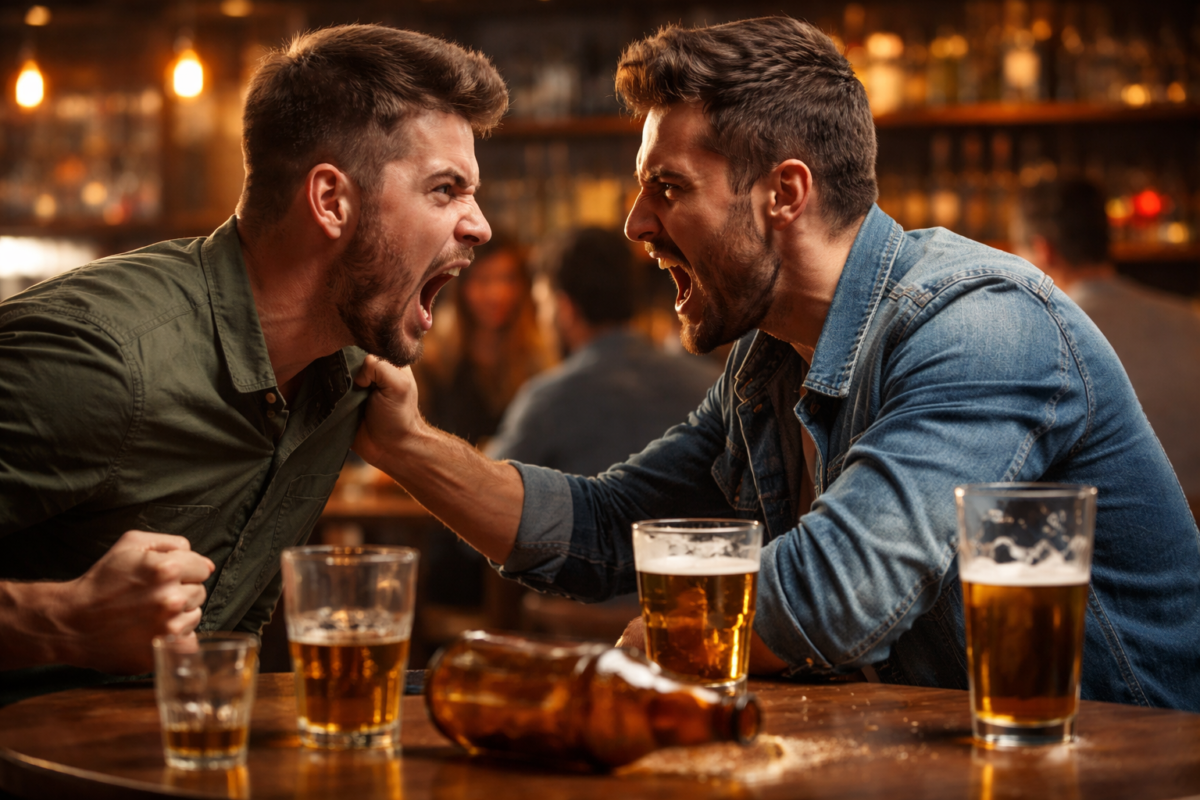
Discover why alcohol can trigger aggression and anger. Learn how it affects the brain, behavior, and emotions, and ways to stay in control while drinking. Alcohol is often seen as a social lubricant—something that helps people relax, open up, and enjoy the moment. But for many individuals, drinking can have the opposite effect, leading to irritability, anger, and even aggressive behavior. This shift is not random. It is rooted in how alcohol interacts with the brain, emotions, and environment.
Understanding why it can trigger aggression is essential—not just for awareness, but for making safer and more responsible choices.
How Alcohol Affects and brain function
The human brain is designed to regulate emotions, control impulses, and guide decision-making. When alcohol enters the system, it interferes with these critical functions.
One of the primary areas affected is the prefrontal cortex, responsible for reasoning and self-control. It suppresses this region, making it harder to think clearly or evaluate consequences. At the same time, it stimulates more primitive parts of the brain that handle emotional responses.
This imbalance can result in heightened emotional reactions, including anger, frustration, or hostility.
Table of Contents
The Disinhibition Effect
A key reason alcohol can lead to aggression is something known as the disinhibition effect. In simple terms, alcohol lowers your mental guardrails.
When sober, people are more likely to:
Think before reacting
Control emotional outbursts
Avoid confrontations
Under the influence, these filters weaken. As a result:
Small irritations can feel overwhelming
Words may come out harsher than intended
Actions can become impulsive and unrestrained
This is why individuals who seem calm when sober may behave very differently after drinking.
Misreading Situations and Overreacting
Alcohol doesn’t just affect how you act—it also affects how you interpret the world around you.
When intoxicated, the brain tends to focus only on immediate stimuli while ignoring context. This means:
A joke may be taken as an insult
A minor disagreement may feel like a serious conflict
Neutral behavior may be perceived as threatening
Because judgment is impaired, reactions often become exaggerated. This can quickly escalate into arguments or aggressive encounters.
Reduced Emotional Awareness
Another important factor is the impact alcohol has on empathy and emotional awareness.
After drinking:
It becomes harder to understand other people’s feelings
Patience decreases
Emotional sensitivity drops
This makes it easier to justify anger or aggressive behavior because the ability to consider someone else’s perspective is weakened.
Personality Plays a Role
It’s important to note that alcohol does not affect everyone the same way. In most cases, it amplifies existing personality traits rather than creating new ones.
People who are more likely to become aggressive when drinking often:
Have underlying anger or stress issues
Tend to be impulsive
Struggle with emotional regulation
Engage in heavy or binge drinking
Read Also – Risks Of Drinking Water At Night Effects On Sleep & Health
In contrast, individuals with calm and balanced personalities are less likely to exhibit aggressive behavior, even after consuming alcohol.
Chemical Changes in the Brain
Alcohol also alters the brain’s chemical balance, which can contribute to aggression.
It affects neurotransmitters such as:
Serotonin, which helps regulate mood
Dopamine, linked to reward and pleasure
GABA, which controls relaxation and inhibition
Disruptions in these systems can lead to mood swings, reduced self-control, and increased impulsivity—creating the conditions for aggressive behavior.
Environmental Triggers Matter
Aggression is rarely caused by alcohol alone. The environment in which drinking occurs also plays a major role.
Situations that can increase the risk include:
Loud, crowded spaces
Competitive or tense social settings
Conflicts or unresolved personal issues
In these environments, alcohol can act as a catalyst, making aggressive reactions more likely.
Why Does Alcohol Make You Aggressive – The Link Between Alcohol and Violence
There is a well-established connection between alcohol consumption and violent behavior. While not everyone becomes aggressive when drinking, the likelihood of conflict increases significantly under the influence.
It is important to understand that it may lower control—but it does not remove responsibility. Actions taken while intoxicated still carry consequences.
How to Reduce the Risk
The good news is that alcohol-related aggression can be managed with awareness and simple strategies:
- Drink in Moderation
Limiting intake reduces the impact on brain function and behavior.
- Avoid Emotional Drinking
Drinking while stressed, angry, or upset increases the risk of aggression.
- Choose the Right Environment
Stay in safe, comfortable settings with people you trust.
- Recognize Warning Signs
If you feel irritation building, step away from the situation.
- Stay Self-Aware
Regularly check your behavior and emotional state while drinking.
Final Thoughts
Itl does not automatically make someone aggressive, but it can weaken the brain’s ability to regulate emotions and behavior. By lowering inhibitions, distorting perception, and amplifying existing traits, it creates a situation where aggression becomes more likely.
Being aware of these effects is the first step toward preventing harmful outcomes. With mindful choices and responsible habits, it is possible to enjoy social drinking without letting it lead to negative consequences.