

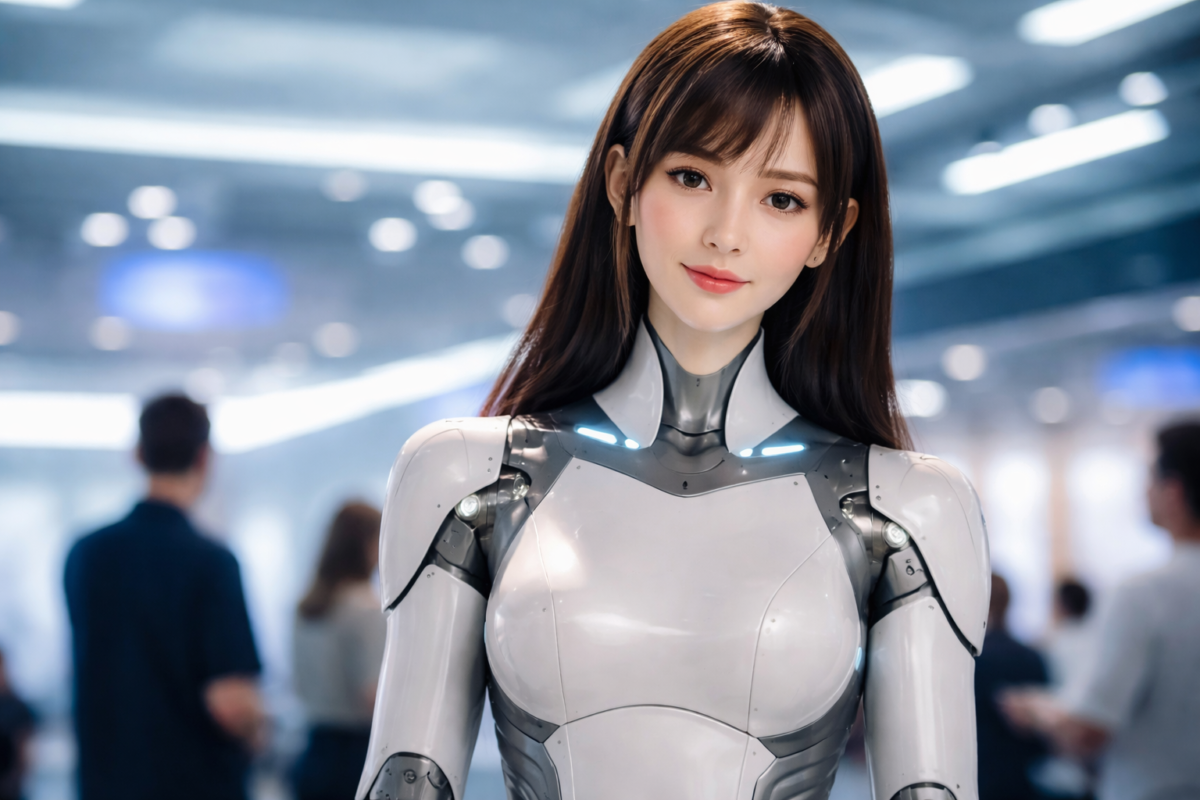
Meet Moya, China ultra-realistic humanoid robot that walks naturally, winks, smiles, and interacts like a human using advanced AI technology. The rapid evolution of artificial intelligence and robotics has reached a striking new milestone with the introduction of Moya, a humanoid robot developed in China. Designed to closely resemble human appearance and behavior, Moya is being described as one of the most realistic humanoid robots ever created. From natural walking movements to subtle facial expressions like smiling and winking, this robot is redefining how machines interact with humans and the physical world.
As humanoid robots move beyond industrial settings and into social spaces, it offers a glimpse into the future of human-robot coexistence.
What Makes Moya Different from Other Robots?
Unlike traditional robots that rely on rigid mechanics and limited expressions, it has been engineered to mimic human behavior as closely as possible. Its creators focused heavily on realism, aiming to blur the line between machines and humans.
One of Mo’s most impressive features is its human-like walking ability. The robot’s gait closely matches that of a real person, allowing it to walk smoothly and naturally rather than in stiff or jerky motions. This advancement alone marks a major leap in humanoid robotics.
Equally striking are Mo facial expressions. The robot can smile, blink, wink, and maintain eye contact, making interactions feel more natural and emotionally engaging. These micro-expressions help create a sense of presence that many robots lack.
Table of Contents
Mo physical design also adds to its realism. With human-like proportions, a warm outer surface, and lifelike posture, the robot avoids the cold, mechanical feel typically associated with machines.
The Advanced Technology Powering Moya Behind Mo’s lifelike appearance lies a sophisticated combination of robotics engineering and artificial intelligence.
Embodied Artificial Intelligence
Mo operates using embodied AI, meaning its intelligence is tightly integrated with its physical form. Rather than processing information in isolation, the robot continuously learns from its environment through movement, vision, and interaction. This allows Mo to respond naturally to people and surroundings in real time.
Visual Perception and Interaction
Cameras embedded within Mo’s eyes enable it to observe human behavior, recognize faces, and adjust expressions accordingly. This visual perception system allows the robot to make eye contact and respond with subtle emotional cues, making conversations feel more engaging.
Modular and Adaptable Design
Moya’s internal structure is modular, meaning its external appearance can be modified without altering its core system. This flexibility allows the robot to be customized for different roles, industries, or cultural preferences, making it adaptable for future applications.
Public Reactions: Fascination and Unease Mo’s debut has sparked strong reactions worldwide, ranging from admiration to discomfort.
Excitement About the Future
Many observers see Mo as a breakthrough that brings humanity closer to robots capable of meaningful social interaction. Supporters believe such robots could assist in customer service, education, healthcare, and companionship, especially in societies facing labor shortages or aging populations.
The robot’s ability to move naturally and express emotions has been widely praised as a significant step forward in human-centered AI design.
The Uncanny Valley Effect
At the same time, some people find Mo unsettling. This reaction is often linked to the “uncanny valley” effect, where a robot appears almost human but not entirely, triggering discomfort instead of familiarity. While Mo’s realism is impressive, it also highlights how challenging it is to perfectly replicate human presence.
Potential Applications of Humanoid Robots Like Mo As technology advances, robots like Mo could play important roles across multiple sectors.
Healthcare and Elderly Care
Humanoid robots could assist caregivers by offering companionship, reminders, and basic support tasks for elderly individuals. Their human-like interaction style may help reduce loneliness and improve emotional well-being.
Education and Training
In classrooms or training environments, robots like Mo could serve as interactive assistants, tutors, or demonstrators, especially in language learning or technical education.
Customer Service and Public Spaces
With customizable appearances and communication skills, humanoid robots could be deployed in hotels, airports, museums, and retail spaces to guide visitors and answer questions.
Read Also – NVIDIA Planned $100 Billion Investment in OpenAI Faces Delay
Challenges and Ethical Considerations
Despite the excitement, Mo also raises important ethical and social questions. As robots become more human-like, concerns about emotional dependency, data privacy, and job displacement grow stronger. There is also ongoing debate about how realistic robots should be and where society should draw the line between machines and humans.
What Lies Ahead for Moya?
While details about large-scale production and commercial availability are still emerging, Mo represents a powerful signal of where robotics is headed. As development continues, future versions are expected to become even more expressive, intelligent, and adaptable.
Conclusion
Moya is more than just a technological showcase—it’s a symbol of the next era of robotics. By combining human-like movement, emotional expression, and advanced artificial intelligence, this humanoid robot challenges our understanding of what machines can be. As society prepares for a future where robots may walk among us, innovations like Mo will play a central role in shaping that reality.