

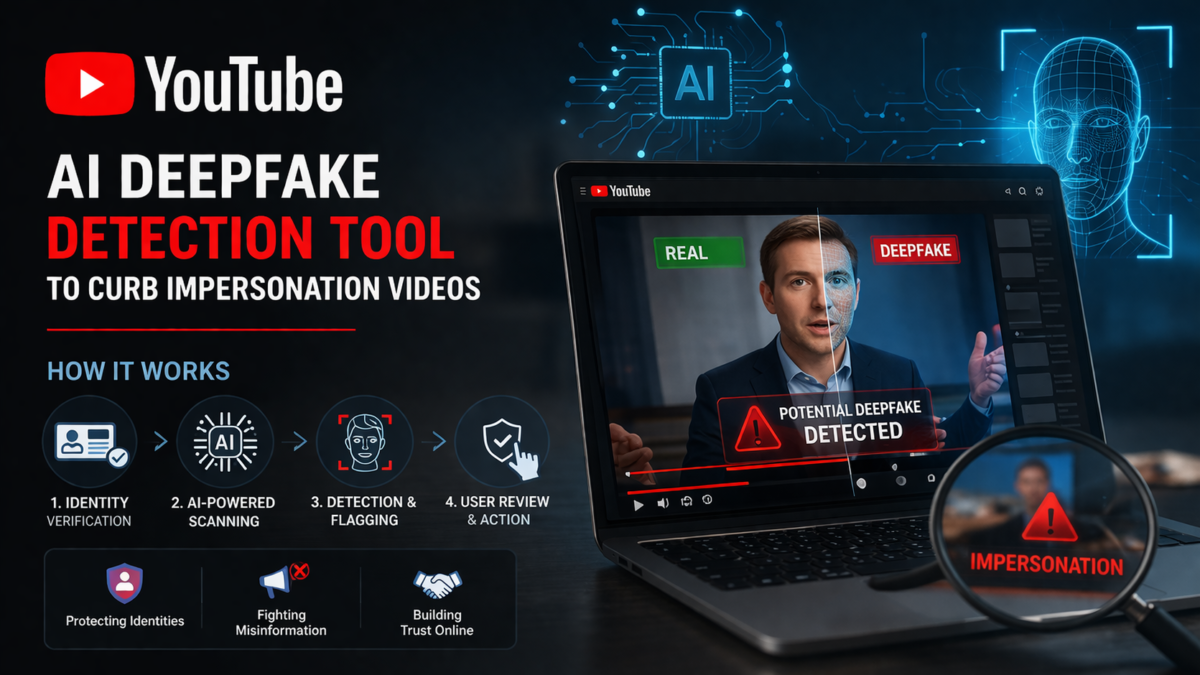
Learn how the YouTube AI deepfake detection tool works to identify and remove impersonation videos. Discover features, benefits, and its impact on digital safety. The rise of artificial intelligence has revolutionized content creation, but it has also introduced new risks—particularly the spread of deepfake videos. These AI-generated clips can replicate a person’s face, voice, and mannerisms with impressive accuracy, making it increasingly difficult to distinguish real content from fabricated media. To address this growing concern, YouTube has expanded its AI-powered deepfake detection tool, aiming to reduce impersonation and protect users’ digital identities.
This development highlights a major step forward in ensuring trust and safety across online video platforms.
The Growing Threat of Deepfake Technology
Understanding the Role of YouTube AI in Deepfake Detection
Deepfakes are created using advanced machine learning models that analyze and reproduce human features. While the technology has legitimate uses in entertainment and education, it has also been misused for fraud, misinformation, and personal attacks.
From fake celebrity endorsements to manipulated political videos, deepfakes can spread rapidly and influence public perception. As these tools become more accessible, the potential for misuse continues to grow, making detection systems a critical necessity.
Table of Contents
What Is YouTube’s Deepfake Detection Tool?
To tackle this issue, YouTube has introduced an advanced “likeness detection” system. This AI-driven tool is designed to identify videos that use a person’s face or voice without their permission.
Initially available to a limited group of creators, the feature is now being expanded to include public figures such as journalists, government officials, and influencers—groups that are often targeted by impersonation campaigns.
The goal is simple: give individuals greater control over how their identity is used on the platform.
How the AI Detection System Works
- Identity Verification Process
Users who want to access the tool must first verify their identity. This step ensures authenticity and prevents misuse of the system. Typically, it involves submitting official identification along with a short video for confirmation.
This verification creates a secure reference point for the AI system to recognize legitimate identities.
- Advanced AI Scanning
Once enrolled, YouTube’s system continuously scans uploaded videos across the platform. Unlike traditional copyright tools that track audio or video clips, this system focuses on identifying facial features and voice patterns.
By analyzing these elements, the AI can detect whether a video includes manipulated or synthetic representations of a real person.
- Detection and Flagging
When the system identifies a potential match, it flags the video for further review. The detection relies on sophisticated algorithms trained to recognize inconsistencies commonly found in AI-generated content.
This proactive approach allows YouTube to catch suspicious content before it spreads widely.
- User-Controlled Review
After a video is flagged, the individual whose likeness may have been used is notified. They can review the content and decide how to proceed.
Available actions typically include:
Requesting removal of the video
Filing a privacy complaint
Monitoring repeated misuse
This ensures that users maintain control over decisions affecting their digital identity.
- Balanced Content Moderation
Not every flagged video is automatically removed. YouTube evaluates each case carefully, considering factors like satire, parody, or public interest.
Read Also – Netflix Ending Support on 87 Million Devices What It Means
This balanced approach helps protect freedom of expression while still addressing harmful impersonation.
Why This Tool Is Important
Strengthening Digital Identity Protection
In today’s digital world, a person’s image and voice are valuable assets. This tool empowers individuals to protect their identity from unauthorized use, reducing the risk of exploitation.
Reducing Misinformation
Deepfake videos can spread false narratives quickly, especially during sensitive events like elections or crises. Early detection helps limit the reach of misleading content.
Supporting Public Figures and Creators
Public figures are frequent targets of impersonation attacks. By expanding access to this tool, YouTube is offering an additional layer of protection to those most at risk.
Building User Trust
Trust plays a crucial role in the success of any online platform. By investing in AI safety technologies, YouTube demonstrates its commitment to creating a safer and more reliable environment for users.
Challenges and Limitations
Despite its benefits, the tool is not without challenges.
Detection accuracy: AI systems may not catch every deepfake, especially as the technology evolves.
Human review required: Final decisions still depend on manual evaluation, which can take time.
Limited rollout: The feature is currently being introduced gradually and is not yet available to all users.
These limitations highlight the need for continuous improvement and collaboration across the tech industry.
The Future of Deepfake Detection
YouTube’s initiative reflects a broader shift toward proactive AI governance. As deepfake technology advances, platforms must stay ahead by improving detection systems and expanding access to protective tools.
In the future, stronger regulations, improved algorithms, and increased awareness will play key roles in combating deepfake misuse.
Conclusion
The expansion of YouTube’s AI deepfake detection tool marks a significant step in addressing one of the most pressing challenges in digital media. By combining advanced technology with user control, the platform is working to reduce impersonation and protect online identities.
While no system is perfect, this initiative sets an important precedent for how technology companies can responsibly manage the risks associated with artificial intelligence.
As the digital landscape evolves, tools like these will become essential in preserving trust, authenticity, and security in online content.





[…] Read Also – YouTube AI Deepfake Detection Tool Explained: How It […]