
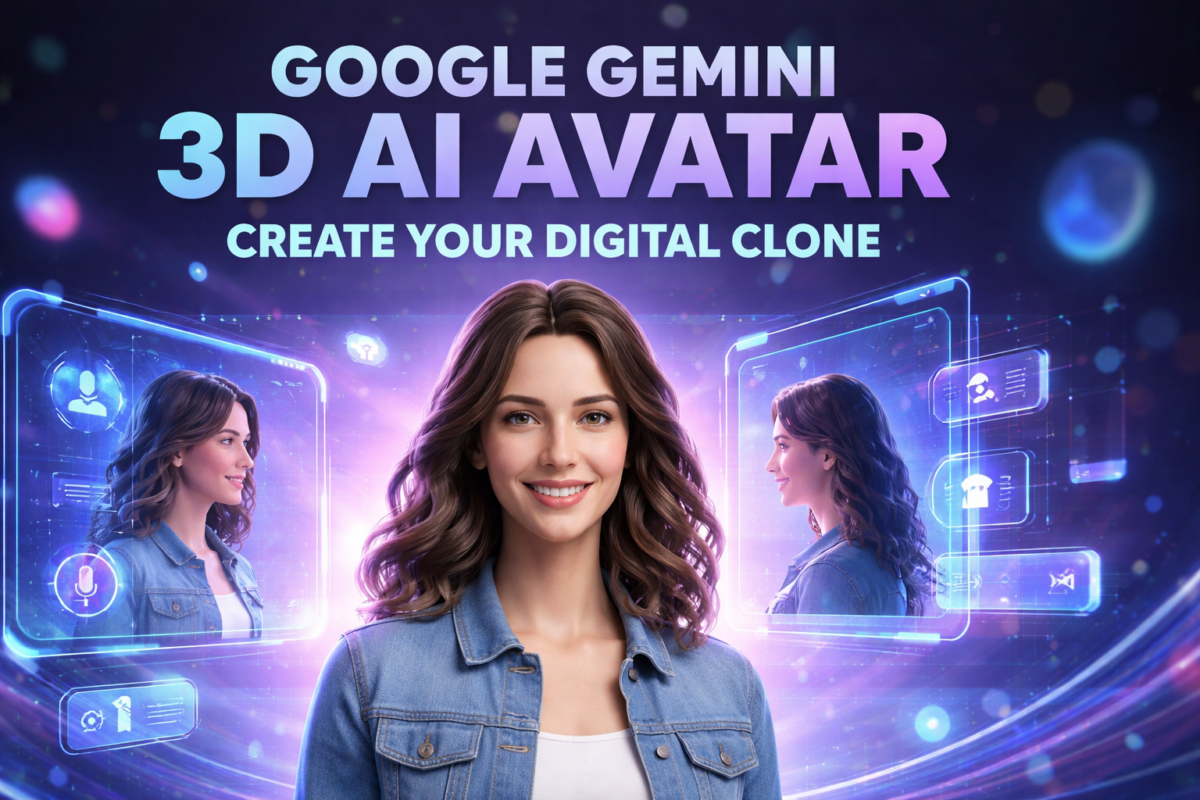
Explore Google Gemini upcoming 3D AI avatar feature that lets you create a realistic digital clone. Learn its benefits, uses, and future impact. The evolution of artificial intelligence is reshaping how humans interact with technology, and Google Gemini is at the forefront of this transformation. In its latest development, Google is preparing to introduce a revolutionary feature that allows users to create their own 3D AI-powered digital clone.
This innovation goes beyond traditional avatars, offering a realistic, intelligent representation of individuals in the digital world. As technology continues to blur the lines between reality and virtual presence, this feature could redefine communication, content creation, and personal branding.
What Is a Google Gemini 3D AI Digital Clone?
A 3D AI digital clone is a lifelike virtual version of a person, designed using advanced artificial intelligence and 3D modeling techniques. Unlike simple avatars used in games or social media, these clones aim to replicate not only physical appearance but also expressions, voice, and interaction style.
With Google Gemini, users may soon be able to create a digital identity that behaves similarly to them. This means your AI clone could potentially communicate, respond to queries, and even represent you in digital environments without your constant involvement.
Table of Contents
Key Features of the Upcoming Technology
Hyper-Realistic Visuals
The most striking aspect of this feature is its focus on realism. The AI will likely generate a highly detailed 3D model, capturing facial features, movements, and subtle expressions to create a near-human experience.
Voice and Communication Style
Beyond visuals, the technology is expected to replicate voice patterns and conversational tone. This adds a layer of authenticity, making interactions with the digital clone feel natural.
Intelligent Interaction
The AI avatar won’t just look like you—it may also think and respond intelligently. By leveraging machine learning, it can engage in conversations, answer questions, and perform tasks.
Seamless Integration
Google’s ecosystem is vast, and this feature could integrate with productivity tools, communication platforms, and even content creation systems, making it highly versatile.
Practical Applications of AI Avatars
Virtual Meetings
One of the most impactful uses could be in remote work. Instead of attending every meeting, your AI clone could join on your behalf, deliver responses, and maintain your presence.
Content Creation
Creators can produce videos, tutorials, or marketing content without appearing on camera. This not only saves time but also enables consistent output.
Gaming and Virtual Worlds
In immersive environments like the metaverse, having a realistic digital clone enhances user experience and personal connection.
Business Communication
Companies may use AI avatars for customer interaction, training, or brand representation, offering a personalized yet scalable solution.
Benefits of Digital Cloning Technology
Improved Productivity
By automating repetitive tasks and interactions, users can focus on more important work while their AI clone handles routine communication.
Stronger Personal Branding
A digital clone allows individuals to maintain a consistent and professional presence across multiple platforms simultaneously.
Greater Accessibility
This technology can empower individuals who may not be comfortable on camera or have physical limitations, enabling them to participate fully in digital spaces.
Read Also – YouTube AI Deepfake Detection Tool Explained: How It
Scalable Interaction
For businesses and influencers, engaging with large audiences becomes easier without compromising personalization.
Challenges and Ethical Considerations
Privacy Concerns
Creating a digital replica requires access to personal data, including facial features and voice. Ensuring this data is securely stored and used responsibly is critical.
Risk of Misuse
Highly realistic avatars could be exploited for impersonation or misinformation if proper safeguards are not in place.
Ownership and Control
Questions about who owns the digital clone and how it can be used will become increasingly important as this technology evolves.
Human Connection
While AI avatars offer convenience, over-reliance on them could reduce genuine human interaction, impacting authenticity in communication.
The Future of Digital Identity
The concept of digital identity is rapidly changing. Instead of static profiles or photos, users may soon have dynamic, AI-driven representations of themselves. With innovations from Google Gemini, the idea of being present in multiple places at once is becoming achievable.
As this technology matures, it could lead to a future where digital clones assist in work, communication, and creativity—essentially acting as an extension of the individual.
Conclusion
The upcoming 3D AI avatar feature from Google Gemini marks a significant leap in artificial intelligence. By enabling users to create realistic digital clones, it opens up new possibilities in productivity, communication, and digital engagement.
However, with great innovation comes responsibility. Addressing privacy, security, and ethical concerns will be essential to ensure this technology benefits users without compromising trust.
As we move forward, one thing is clear: the future of AI is not just about tools—it’s about creating intelligent digital versions of ourselves.