

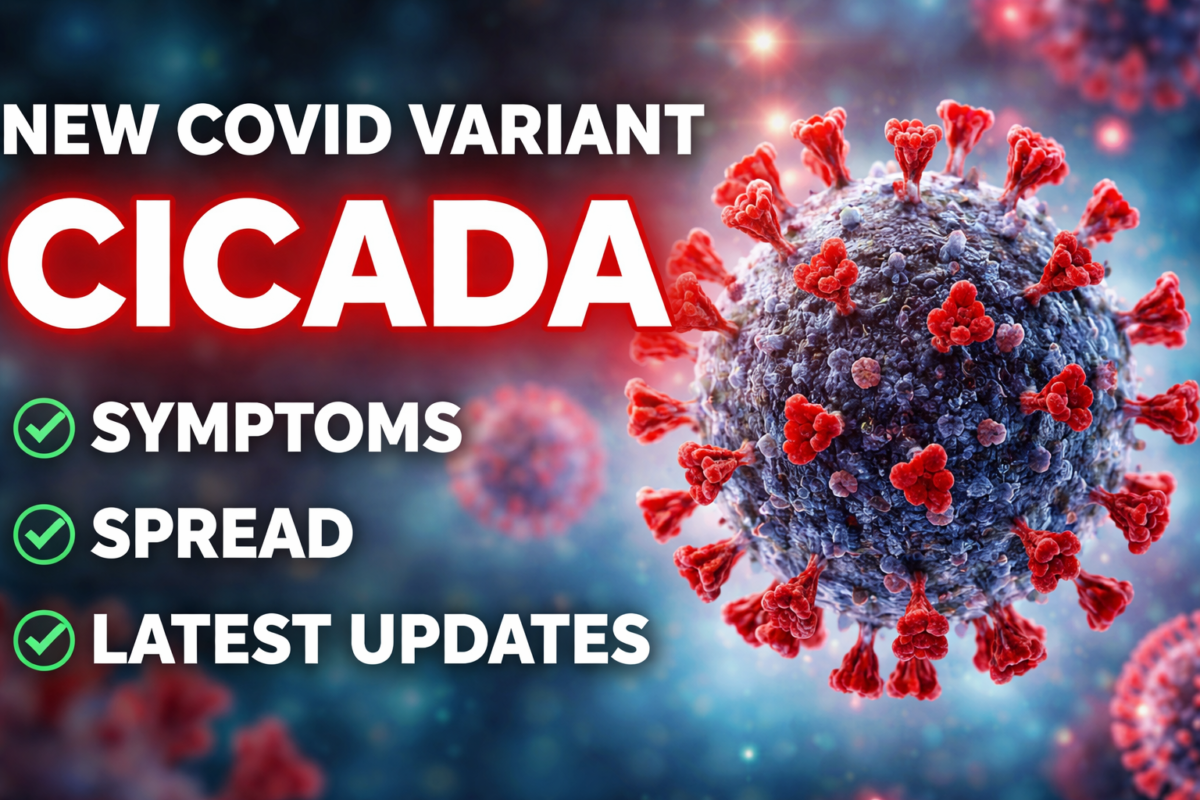
Discover everything about the new COVID Cicada variant BA.3.2, including symptoms, transmissibility, vaccine effectiveness, and expert insights. Stay informed with the latest 2026 updates. The COVID-19 virus continues to evolve, and just when the world has started adapting to a post-pandemic routine, a new variant has entered the spotlight. Known as the Cicada variant (BA.3.2), this strain has raised questions about transmissibility, symptoms, and overall risk.
Here’s a clear, plagiarism-free, and ready-to-publish breakdown of everything you need to know about this emerging variant.
What Is the Cicada COVID Variant?
The Cicada variant is a sub-lineage of the Omicron family of the coronavirus. It was initially detected during earlier waves but has recently reappeared in multiple regions, drawing renewed attention from health experts.
The name “Cicada” reflects its unusual pattern of resurfacing after periods of low activity—similar to cicada insects that emerge after years underground. While it hasn’t yet become the dominant global strain, its spread across different countries has made it a variant worth monitoring.
Table of Contents
Why Is the Cicada Variant Gaining Attention?
One of the main reasons behind the buzz is its high mutation count, particularly in the spike protein—the part of the virus responsible for entering human cells.
These mutations have raised concerns about:
Faster transmission
Reinfection in previously infected individuals
Reduced immune response in some cases
However, it’s important to understand that more mutations do not automatically mean a more dangerous virus. Scientists are still studying how these changes affect real-world outcomes.
Common Symptoms of the Cicada Variant
So far, the symptoms associated with the Cicada variant closely resemble those seen in earlier Omicron strains. There are no dramatically new warning signs, which is somewhat reassuring.
Most Reported Symptoms:
Sore throat (often more noticeable)
Fever and chills
Persistent cough
Fatigue and body aches
Headaches
Nasal congestion or runny nose
In some cases, people may also experience mild breathing discomfort or digestive issues. Overall, the symptoms tend to be manageable for most individuals.
Is the Cicada Variant More Severe?
At this stage, there is no strong evidence to suggest that the Cicada variant leads to more severe illness compared to previous strains.
Health authorities are keeping it under observation rather than classifying it as a major threat. Most reported infections have been mild to moderate, especially among vaccinated individuals.
That said, experts remain cautious due to the variant’s mutation profile and the possibility of future changes.
How Contagious Is It?
Early observations indicate that the Cicada variant spreads in a way similar to other Omicron subvariants. It may have a slight edge in transmissibility, but not enough to cause widespread alarm at this point.
Like other COVID-19 strains, it spreads primarily through respiratory droplets when an infected person coughs, sneezes, or talks in close proximity.
Do Vaccines Still Work?
Vaccines continue to play a critical role in protection against the Cicada variant. While there may be some reduction in immunity against infection due to mutations, vaccines are still highly effective in preventing severe illness, hospitalization, and death.
Booster doses can further strengthen protection, especially for vulnerable groups. Existing treatments and antiviral medications also remain effective against this variant.
How to Stay Safe
Even with new variants emerging, the preventive measures remain familiar and effective.
Recommended Precautions:
Stay up to date with vaccinations and boosters
Wear masks in crowded or poorly ventilated spaces
Practice regular hand hygiene
Maintain distance from individuals showing symptoms
Ensure proper airflow in indoor environments
Read Also – Why Lockdown in India Is Trending Again on 24 March 2026
These simple steps continue to provide strong protection against infection and help reduce transmission.
Should You Be Concerned?
While the emergence of the Cicada variant may sound worrying, there is no immediate reason for panic. Most infections reported so far are not severe, and global health systems are far better prepared now than in the early days of the pandemic.
The situation serves as a reminder that COVID-19 is still evolving, but it does not signal a return to strict lockdowns or widespread disruptions.
Final Thoughts
The Cicada variant (BA.3.2) highlights the ongoing nature of the COVID-19 pandemic. Although it carries a higher number of mutations and has spread internationally, it has not shown signs of increased severity.
Staying informed, maintaining basic precautions, and keeping vaccinations up to date remain the best ways to protect yourself and others. As research continues, a clearer picture of this variant will emerge.
For now, awareness and responsible behavior are the most effective tools in managing this latest development.






[…] Read Also – New COVID Variant Cicada BA.3.2 Latest Updates 2026 […]