

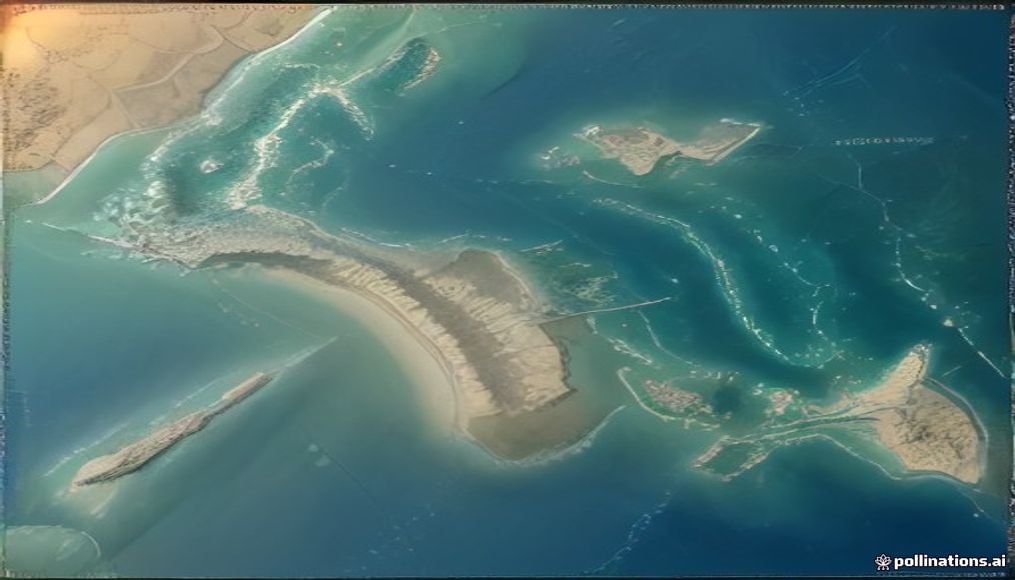
Geopolitical friction in the Middle East has taken yet another dramatic turn, directly impacting the vital maritime corridor known globally as the Strait of Hormuz. International markets and energy traders have been sent scrambling following high-level diplomatic maneuvers that ultimately failed to bridge the massive gap between Washington and Tehran. The unfolding situation centers around an unexpected proposal put forward by Iranian officials, offering to completely unblock the crucial shipping lane within a strict seven-day window. However, this diplomatic opening was swiftly shut down when the United States administration under President Donald Trump rejected the truce offer outright, signaling that a military and economic pressure campaign will persist.
For international trade, energy security, and global supply chains, the Strait of Hormuz remains one of the most critical geopolitical choke points on Earth. A significant portion of the world’s petroleum passes through these narrow waters daily, making any disruption an immediate threat to economic stability. When Tehran floated the temporary ceasefire and peace plan aimed at reopening the maritime route alongside restarting stalled nuclear negotiations, many analysts initially hoped for a cooling of hostilities. Instead, the total dismissal of the terms by American leadership underscores a deeply uncompromising approach to ongoing regional disputes. Observers note that this hardline stance could herald an extended period of heightened maritime security risks for commercial vessels traversing the region.
The Anatomy of the Rejected Ceasefire Proposal
The diplomatic overture introduced by Iranian representatives was framed as a comprehensive package designed to normalize passage through the contested waterway. Under the suggested terms, normal commercial transit through the Strait of Hormuz would resume within a single week, accompanied by renewed dialogue regarding international nuclear accords. Despite the potential economic relief such an agreement could bring to global energy markets, Washington remained entirely unpersuaded. Political strategists suggest that the American executive branch views the proposal as a tactical maneuver rather than a genuine shift in strategic posture, choosing instead to maintain maximum economic sanctions and military readiness.
The rejection of the peace plan was quickly followed by symbolic and strategic countermeasures from the United States. Reports have highlighted the sharing of updated regional maps and defense layouts concerning the Strait of Hormuz, emphasizing continued strategic oversight. Analysts monitoring the situation point out several key factors driving the American refusal:
- Skepticism regarding long-term compliance with international maritime security standards
- A preference for sustaining economic pressure until broader regional concessions are secured
- Domestic political calculations and a desire to project unyielding strength on foreign policy
- Concerns over the verification mechanisms tied to the proposed seven-day timeline
These elements combined to ensure that the diplomatic window closed almost as soon as it opened, leaving international diplomats searching for alternative pathways to de-escalate the mounting crisis.
Global Market Reactions and Energy Security Concerns
The immediate fallout from the rejected agreement has reverberated far beyond diplomatic circles, sending immediate shockwaves through global commodity exchanges. Energy markets are notoriously sensitive to disruptions in the Strait of Hormuz, and traders have quickly priced in the renewed risk of prolonged maritime blockades and potential military escalation. Shipping insurers are increasing premiums for vessels operating in the Persian Gulf, while major importing nations dependent on Middle Eastern crude are quietly reviewing their strategic petroleum reserves.
Economic repercussions are not limited to oil prices alone. Supply chain disruptions through the Strait of Hormuz threaten to inflate shipping costs worldwide, adding fuel to inflationary pressures in developing and developed economies alike. Importers across Asia and Europe are watching the standoff with intense anxiety, knowing that any kinetic conflict in the waterway would instantly paralyze trade flows. While regional actors weigh their next moves, the international community continues to call for restraint from both capitals to prevent an accidental military confrontation that could destabilize the entire region.
Looking Ahead at the Geopolitical Horizon
As diplomatic channels stall and the possibility of renewed military activity looms on the horizon, the trajectory of the Strait of Hormuz remains perilous. Neither side appears willing to blink first, creating a classic security dilemma where defensive postures are routinely interpreted as offensive threats. For everyday citizens and global observers, the ongoing deadlock serves as a stark reminder of how fragile international peace can be when core strategic interests collide. The coming weeks will likely determine whether alternative intermediaries can salvage a pathway to dialogue or if the region is destined for a deeper, more protracted confrontation along these crucial shipping lanes.
Broader Regional Alliances and the Risk of Spillover
The hardening stalemate between Washington and Tehran carries profound implications that extend well beyond the immediate confines of the Persian Gulf, drawing regional middle powers and international stakeholders into a precarious balancing act. Neighboring Gulf Cooperation Council (GCC) states, particularly Saudi Arabia and the United Arab Emirates, find themselves caught in a geopolitical crossfire. While these nations have invested heavily in economic diversification projects that require a stable regional environment, they also harbor deep-seated anxieties regarding Iran’s regional ambitions and ballistic missile capabilities. Consequently, the outright rejection of the truce proposal leaves Gulf capitals grappling with the dual threat of renewed maritime disruptions and potential retaliatory asymmetric strikes on critical energy infrastructure.
Furthermore, major global consumers outside the Western sphere—most notably China, India, and various European nations—are increasingly alarmed by the breakdown in diplomacy. Because these economies rely heavily on uninterrupted energy flows originating from the Persian Gulf, a prolonged closure or persistent militarization of the Strait of Hormuz directly threatens their post-pandemic economic recoveries. Some foreign policy experts argue that this dynamic could prompt alternative diplomatic initiatives led by Asian or European actors who are unwilling to let Washington solely dictate the security architecture of such a vital global resource. As these external pressures mount, the standoff threatens to fracture international consensus on Middle Eastern policy, complicating multilateral efforts to secure safe passage for commercial shipping.
The Asymmetric Warfare Dimension and Technology in the Gulf
Beyond traditional naval deployments and economic sanctions, the standoff in the Strait of Hormuz is increasingly defined by rapid advancements in asymmetric warfare and autonomous military technology. Both Iranian forces and Western coalition partners have heavily invested in unmanned aerial vehicles (UAVs), remote-controlled surface vessels, and advanced cyber capabilities designed to contest or defend the narrow waterway. This technological evolution introduces a dangerous layer of unpredictability into the theater. In a narrow shipping channel where commercial tankers operate mere miles away from military patrols, the margin for error is razor-thin.
Military analysts warn that the reliance on autonomous systems and heightened alert statuses significantly increases the risk of miscalculation. A technical glitch, a misidentified radar signature, or a localized skirmish involving proxy militias could easily escalate into a wider regional conflict before senior political leaderships have an opportunity to intervene. The failure of the recent seven-day truce initiative means that both sides will continue pushing the technological envelope in the region, testing the boundaries of engagement rules and raising the baseline tension for every civilian vessel attempting to navigate the world’s most critical energy corridor.
For more stories like this, browse our World Affairs coverage. For additional background, see this overview of international relations.
