

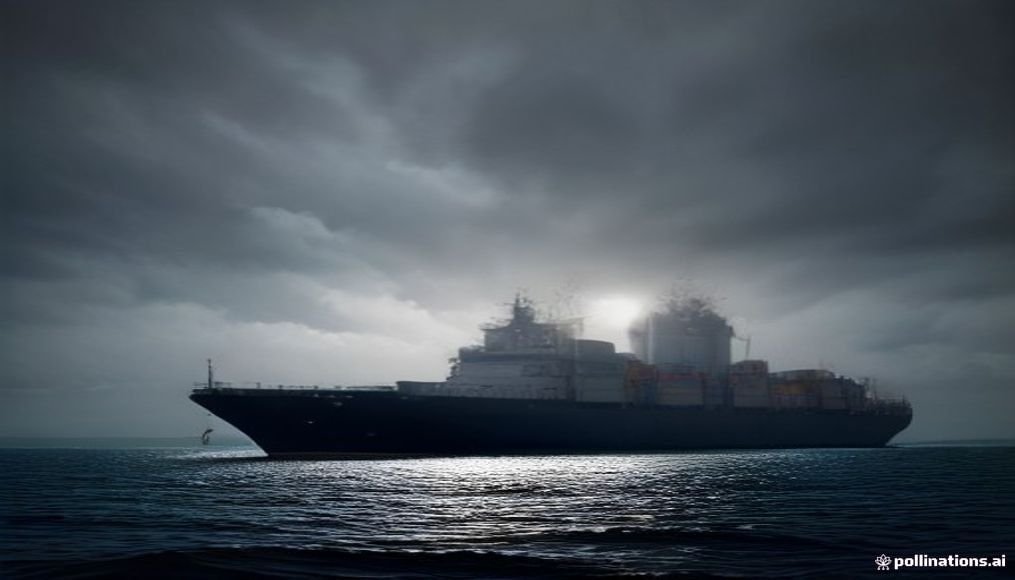
Geopolitical tensions in the Middle East have taken yet another sharp turn as global markets react to a major diplomatic standoff. The recent refusal by the White House to consider an Iranian proposal regarding the vital Strait of Hormuz has sent ripples across international capitals. Analysts watching the Strait of Hormuz are closely evaluating what this hardline stance means for regional security, international trade flows, and global energy markets in the coming weeks. Rather than accepting a phased diplomatic overture, leadership in Washington has opted to dismiss the proposed terms outright, setting the stage for an escalation of strategic maneuvering.
The unfolding diplomatic crisis highlights the delicate and volatile nature of maritime transit routes that carry a massive portion of the world’s petroleum supply. When navigating policies surrounding the Strait of Hormuz, both Western nations and Middle Eastern stakeholders remain acutely aware of how quickly economic stability can be disrupted. The rejected arrangement had outlined a specific multi-day timeline intended to ease maritime restrictions and de-escalate ongoing friction points. However, administration officials view the terms as insufficient and unconvincing, arguing that accepting such a framework would project weakness rather than foster genuine peace.
As international observers dissect the fallout, energy markets have begun pricing in higher risk premiums. The Strait of Hormuz remains an irreplaceable global chokepoint where any hint of disruption immediately influences crude oil pricing, freight insurance rates, and supply chain logistics. Governments across Asia and Europe are monitoring these developments with deep concern, knowing their domestic economies rely heavily on uninterrupted passage through this narrow waterway. The rejection of the peace roadmap means that commercial vessels operating in the region must continue to navigate under heightened security protocols and constant vigilance.
The Strategic Miscalculation and Rejection
The decision by Washington to turn down the proposed timeline was swift and unequivocal. According to diplomatic insiders, the administration believes that accepting a temporary framework crafted under current pressures would fail to address core security grievances. The strategy surrounding the Strait of Hormuz has shifted from potential negotiation windows toward a more rigid deterrence posture. Observers note that leadership expects tougher diplomatic and military posturing post-midterms, leaving little room for intermediate compromises.
This uncompromising attitude toward the Strait of Hormuz underscores a broader strategy of maximum pressure. Tehran’s proposition of a seven-day window to lift restrictions and normalize transit was framed domestically as a constructive diplomatic gesture. Conversely, Western capitals interpreted the overture as an attempt to bypass deeper structural concessions regarding regional security and maritime freedom. Consequently, the rejection signals that current trade and security architectures will remain heavily militarized for the foreseeable future.
Global Economic and Energy Implications
The immediate fallout from this diplomatic deadlock extends far beyond diplomatic cables, directly threatening global energy security. Several critical factors define the current economic landscape:
- Spikes in global crude oil futures as traders factor in prolonged uncertainty around the Strait of Hormuz.
- Higher war-risk insurance premiums for commercial tankers transiting Middle Eastern shipping lanes.
- Accelerated contingency planning by major Asian and European economies heavily dependent on Gulf energy imports.
- Increased naval patrols and reconnaissance flights deployed by international coalitions to safeguard maritime transit.
These developments emphasize how deeply intertwined local political maneuvers are with global economic health. Any prolonged standoff centered on the Strait of Hormuz inevitably translates into inflationary pressures for importing nations worldwide. Energy analysts point out that even without active military conflict, the psychological impact of a blocked diplomatic path creates persistent market jitters that affect everyday consumers globally.
What Lies Ahead for Regional Stability
Looking forward, the prospects for a renewed dialogue concerning the Strait of Hormuz appear dim in the short term. Both sides appear entrenched in their respective strategic doctrines, making sudden diplomatic breakthroughs unlikely. As domestic political calendars dictate foreign policy timelines in Western capitals, regional actors are preparing for an extended period of friction. The refusal to engage with the seven-day roadmap demonstrates a preference for sustained pressure over fragile compromises.
Ultimately, the ongoing friction surrounding the Strait of Hormuz serves as a stark reminder of how fragile modern supply chains remain in the face of geopolitical rivalries. As international diplomats regroup and assess their next moves, the global community watches closely to see whether alternative channels can be forged before tensions boil over into a broader confrontation. For now, vigilance, caution, and economic resilience will define the global response to this escalating crisis.
The Diplomatic Fallout and Multilateral Responses
Beyond the immediate reactions in Washington and Tehran, the breakdown of talks has triggered intense diplomatic maneuvering among secondary powers and international organizations. European Union foreign policy delegations have expressed deep apprehension, fearing that the total collapse of bilateral channels could spark unintended escalations or proxy conflicts elsewhere in the region. Several non-aligned nations have attempted behind-the-scenes mediations, offering alternative frameworks that might satisfy Western security demands while giving Tehran enough diplomatic cover to prevent domestic backlash. However, these third-party efforts have largely stalled against the immovable wall of mutual distrust. The lack of an inclusive security architecture in the Persian Gulf continues to exacerbate these crises, as neither regional nor global actors possess a reliable institutional mechanism to de-escalate maritime incidents before they spiral out of control.
Long-Term Structural Shifts in Global Energy Security
The persistence of high-stakes standoffs in the Strait of Hormuz is also accelerating a profound structural transformation in global energy strategies. Importing nations that have historically relied on short-term spot market purchases from the Persian Gulf are now aggressively fast-tracking long-term diversification plans. Governments in East Asia are increasing investments in renewable infrastructure, nuclear power, and alternative fossil fuel suppliers in the Americas and Africa to decouple their national security from the volatility of Middle Eastern maritime chokepoints. At the same time, logistics corporations and shipping conglomerates are re-evaluating overland pipeline alternatives, such as routes bypassing the Persian Gulf entirely. This evolving economic landscape suggests that even if current diplomatic tensions eventually subside, the strategic vulnerability of the Strait of Hormuz has permanently altered how the international community approaches energy independence and risk management.
For more stories like this, browse our World Affairs coverage. For additional background, see this overview of international relations.
