

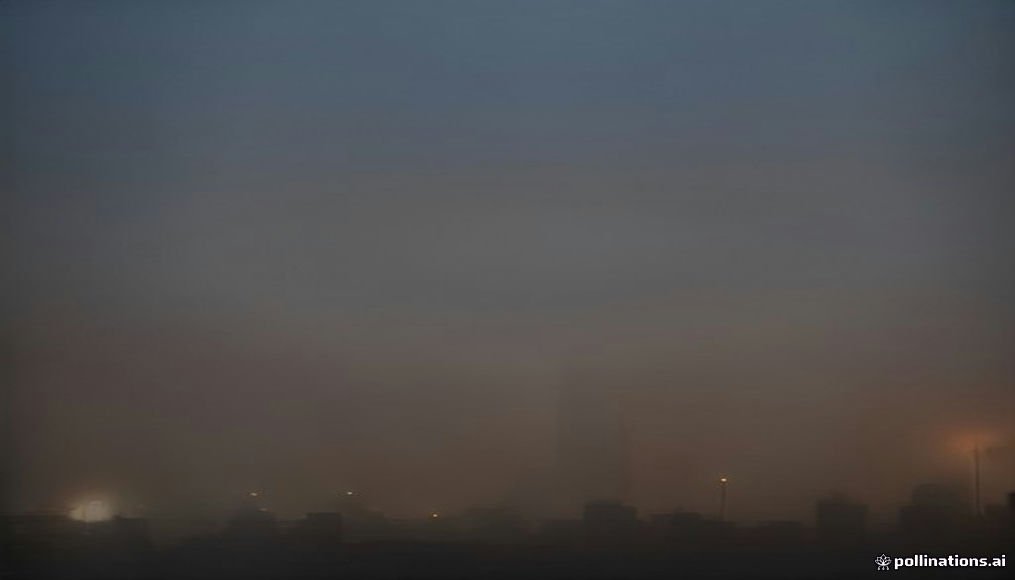
Festive celebrations across the national capital took a harsh toll this week as Delhi air quality deteriorated sharply, plunging into the ‘very poor’ category on the festival of lights. Residents woke up and stepped out to find a dense, choking layer of gray haze hanging heavily over neighborhoods, obscuring landmarks and casting an eerie gloom across the metropolis. Monitoring stations throughout the city registered alarming numbers, with the overall Air Quality Index climbing to 376 by evening. For anyone tracking Delhi air quality over recent seasons, this rapid spike on Diwali night unfortunately followed familiar patterns of worsening atmospheric conditions that health experts have long warned about.
The situation extended far beyond a single monitoring point, as numerous monitoring networks reported severe readings across multiple localities. Several neighborhoods recorded air conditions dipping past the safety threshold into the hazardous zone, where vulnerable groups face immediate health risks. As night fell and celebrations intensified with firecrackers lighting up the sky despite ongoing restrictions, the smoke trapped heavy particulate matter close to the ground. This combination of meteorological factors and festive emissions created an intense inversion layer, trapping pollutants right where millions of citizens breathe. Environmental analysts note that the rapid decline in Delhi air quality highlights the immense challenge authorities face in balancing traditional celebrations with public health preservation.
Understanding the Severity of the Crisis
The sudden surge in pollution levels caught few by surprise, yet the sheer intensity of the spike alarmed medical professionals. Hospitals across the region reported a noticeable uptick in patients arriving with acute breathing difficulties, throat irritation, and burning eyes. When Delhi air quality reaches these extreme levels, even healthy individuals often experience discomfort, while children, the elderly, and those with pre-existing respiratory conditions face severe health complications. Public health advisories urged residents to limit outdoor physical activity, keep windows shut during peak smog hours, and rely on air purifiers indoors to mitigate exposure to toxic fine particles.
Several key factors contributed to this year’s grim milestone:
- Stagnant wind speeds that failed to disperse accumulated pollutants effectively.
- A sharp spike in local emissions from festive celebrations and vehicular movement.
- Falling nighttime temperatures that trap particulate matter closer to the urban surface.
- Regional stubble burning contributions drifting in from neighboring agricultural belts.
These compounded elements transformed the capital into a veritable gas chamber overnight. The persistent degradation of Delhi air quality remains a complex annual crisis requiring coordinated inter-state strategies rather than short-term fixes. While temporary bans and advisory warnings offer minor relief, long-term policy enforcement on industrial emissions, vehicular congestion, and agricultural residue management is essential to safeguard public well-being.
Looking Beyond the Festive Haze
As the celebrations conclude and the smoke slowly clears in the coming days, the broader conversation invariably shifts toward sustainable solutions. Citizens and policymakers alike recognize that improving Delhi air quality requires a year-round commitment to reducing carbon footprints and transitioning toward greener urban mobility. Public transport expansion, electric vehicle adoption, and stricter construction dust controls are vital pillars for future progress. Until these systemic changes take root, residents of the capital region will continue to face the annual dilemma of witnessing their skies darken under the heavy weight of pollution.
Economic and Healthcare Implications of Chronic Smog
Beyond the immediate physical discomfort and respiratory distress experienced by residents, the persistent crisis surrounding Delhi air quality carries profound macroeconomic and public health costs. Healthcare infrastructure in the National Capital Region experiences an immense strain during these peak pollution months. Emergency rooms and outpatient clinics are inundated with patients requiring nebulizers, oxygen support, and specialized pulmonary care. This seasonal surge leads to a significant loss in productivity, as thousands of workers take sick leave or care for affected family members, disrupting businesses across various sectors.
Economists and urban planners point out that severe air pollution also acts as a deterrent for foreign investment and tourism. Global enterprises often hesitate to establish regional headquarters or send expatriate staff to cities struggling with chronic environmental hazards. Furthermore, the hospitality and retail sectors suffer as outdoor foot traffic plummets during peak smog episodes. Addressing Delhi air quality is therefore not merely an environmental obligation, but a critical economic imperative that influences the region’s long-term prosperity, global competitiveness, and overall quality of urban life.
Technological Innovations and Grassroots Responses
In response to the recurring governance challenges, both grassroots organizations and municipal bodies are increasingly turning toward innovative technological solutions to combat the crisis. Recent years have seen the deployment of smog towers, anti-smog guns, and localized dust-suppression mechanisms at major construction sites and high-traffic intersections. Additionally, advanced forecasting models and real-time satellite data are being utilized to track pollution plumes more accurately, allowing authorities to issue targeted warnings and implement emergency response actions before conditions reach critical extremes.
At the community level, citizen-led initiatives are making a tangible difference. Neighborhood associations and resident welfare groups are investing in low-cost sensor networks to monitor hyper-local air pollution levels, empowering communities with transparent data. Schools are adopting flexible schedules and incorporating air quality monitoring into daily routines, ensuring that children are shielded from the worst hazards. These decentralized efforts demonstrate that while structural policy reforms from government bodies are indispensable, active civic participation and technological integration play a crucial role in shaping a more resilient future for the capital.
For more stories like this, browse our Trending News coverage. For additional background, see this overview of how news coverage works.
