

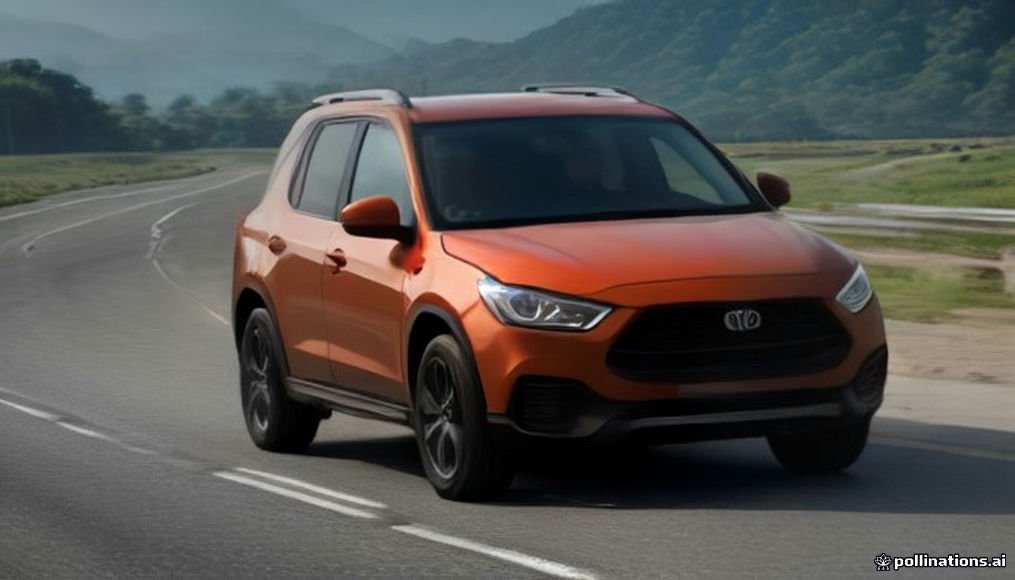
Automotive enthusiasts across the country are buzzing following fresh spy shots of a heavily camouflaged test mule hitting public roads. Rumors suggest this mysterious vehicle could be an early look at the Next Gen Brezza, sparking intense speculation among prospective buyers. Maruti Suzuki has a habit of keeping its development projects tightly under wraps, yet observant motorists managed to snap pictures of the vehicle during trial runs. As one of the most dominant players in the Indian passenger vehicle market, any movement regarding a flagship compact utility vehicle naturally draws massive attention from industry analysts and everyday drivers alike.
The current iteration of this popular compact utility model has enjoyed a stellar run on sales charts, consistently ranking among the top monthly performers. However, the rapidly evolving domestic market demands continuous innovation, especially with fierce competition arriving from South Korean and homegrown manufacturers. A potential overhaul of the Next Gen Brezza indicates that the brand wants to stay steps ahead rather than playing catch-up. Test mules often undergo thousands of kilometers of rigorous evaluation across diverse terrains, checking engine reliability, suspension tuning, and thermal management before commercial production begins.
While heavy camouflage obscures much of the exterior body panels, a close examination of the test vehicle reveals subtle clues about its silhouette. The stance appears slightly more aggressive, featuring a squared-off front fascia and a raised bonnet line that gives the SUV a bolder road presence. Industry insiders point out that while the overall platform might retain familiar proportions to optimize cabin space, exterior body panels are likely to receive a complete redesign. We can anticipate sharper LED headlamp clusters, a revised grille pattern, and updated bumper styling that aligns with the brand’s evolving design language.
What to Expect from the Cabin and Technology
Stepping inside, the interior architecture of the Next Gen Brezza is expected to receive a substantial technological uplift. Modern car buyers prioritize connected car features, larger touchscreen infotainment displays, and digital instrument clusters over traditional analog dials. Maruti Suzuki will likely incorporate an upgraded user interface alongside enhanced wireless smartphone integration to match rival offerings. Ventilated front seats, a panoramic sunroof, and premium acoustic insulation could also make their way into higher trims, catering to evolving consumer preferences for comfort and convenience.
Safety has become a critical deciding factor for Indian car buyers, pushing manufacturers to elevate their baseline specifications significantly. The upcoming vehicle will almost certainly feature an expanded suite of active and passive protective equipment. We can expect advanced driver assistance systems to trickle down into mainstream variants, alongside standard offerings like multiple airbags and electronic stability control.
- Upgraded touchscreen infotainment system with wireless connectivity
- Enhanced suite of advanced driver assistance features
- Revised interior upholstery options and ambient lighting
- Improved structural rigidity utilizing high-strength steel
These rumored additions show a clear commitment to addressing past criticisms regarding build quality and feature lists, positioning the brand strongly against segment benchmarks.
Powertrain Options and Expected Launch Timeline
Under the hood, powertrain configurations remain a subject of heavy debate among automotive journalists. The current model relies heavily on a tried-and-tested petrol engine, alongside a factory-fitted CNG option that appeals to budget-conscious commuters. For the Next Gen Brezza, engineers might introduce refined hybrid technology to maximize fuel efficiency and lower emissions. Strengthening hybrid offerings makes sense as regulatory norms tighten and fuel prices fluctuate across the country, giving buyers a pragmatic alternative to pure electric vehicles.
Looking at the timeline, spotting early test mules suggests that commercial rollout is still quite far down the road. Industry trackers project a potential debut around 2028, giving the manufacturer ample time to perfect every mechanical and electronic component. Early prototypes primarily evaluate chassis dynamics and powertrain durability rather than final aesthetic details. Consequently, eager fans should expect multiple iterations of test mules to appear on highways over the next couple of years before any official preview takes place.
Ultimately, the emergence of these spy shots highlights Maruti Suzuki’s proactive approach to maintaining its market leadership in the highly contested sub-four-meter utility segment. Whether the final production vehicle dramatically shifts the design paradigm or refines a winning formula, anticipation will only mount. As development progresses, future sightings will undoubtedly offer clearer glimpses into what the Next Gen Brezza will ultimately bring to showroom floors nationwide.
Market Impact and Competitive Landscape
The sub-four-meter compact utility segment has evolved into one of the most cutthroat battlegrounds in the modern automotive industry. When
Market Impact and Competitive Landscape
The sub-four-meter compact utility segment has evolved into one of the most cutthroat battlegrounds in the modern automotive industry. When a market leader like Maruti Suzuki refreshes its core portfolio, it forces every rival manufacturer to recalibrate their pricing strategies and feature distribution. Competitors from South Korea, domestic giants, and international entrants have continuously raised the bar with aggressive styling, turbo-petrol performance variants, and segment-first luxuries. By developing the Next Gen Brezza with an eye toward advanced safety, hybrid efficiency, and futuristic cabin tech, the brand is actively defending its turf while aiming to poach buyers who might otherwise gravitate toward more expensive mid-size alternatives.
The Strategic Shift Toward Electrification and Hybridization
Beyond traditional internal combustion engines, the introduction of next-generation powertrains represents a pivotal evolutionary step for high-volume volume sellers in developing markets. Pure battery electric vehicles face infrastructural hurdles such as range anxiety and sparse charging networks outside major metropolitan corridors. Consequently, adopting strong hybrid architectures serves as an ideal bridge technology. This strategic choice allows manufacturers to slash fleet emissions and dramatically improve real-world fuel economy without sacrificing the driving range or convenience that everyday motorists demand. As environmental regulations grow increasingly stringent, the engineering choices embedded within these early test mules will likely dictate the brand’s profitability and compliance standards for the next decade.
For more stories like this, browse our Technology coverage. For additional background, see this overview of the broader technology landscape.
