

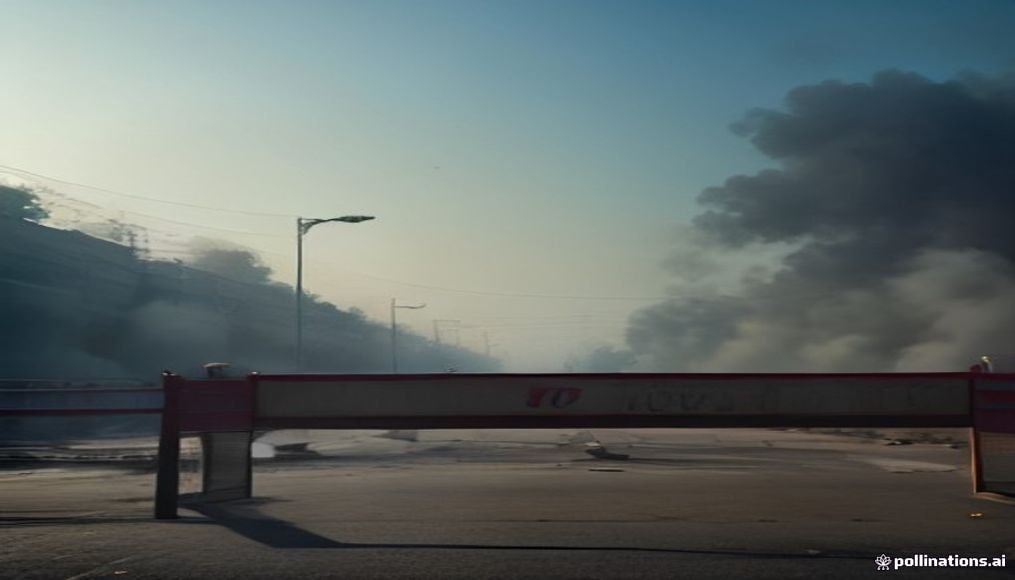
Tension gripped the educational hub in Punjab as massive LPU campus protests erupted following allegations of a serious crime involving a student. The situation quickly spiraled out of control, drawing intense attention from across the nation as hundreds of students took to the streets to demand swift action and transparency from institutional authorities. What began as an expression of student anger over an alleged rape case rapidly transformed into violent clashes, disrupting public life and bringing vehicular movement on a major national highway to a complete standstill.
As information regarding the alleged incident spread through student messaging groups and social media channels late into the evening, agitation mounted quickly within the residential blocks. Demonstrators poured out of their dormitories, demanding immediate clarification and accountability regarding the safety measures inside the sprawling academic township. The intensity of the LPU campus protests caught local law enforcement by surprise, leaving authorities scrambling to deploy additional forces to contain the surging crowds before the situation deteriorated further.
The focal point of the unrest shifted toward the nearby National Highway 44 near Phagwara, where protesters blocked traffic in both directions. Commuters faced severe delays as barricades were thrown across the asphalt, and slogans echoed through the night air. The blockade crippled vital transport links connecting major northern cities, highlighting how quickly local grievances can paralyze regional infrastructure when communication breaks down between management and the student body.
Escalation of Violence and Police Action
The situation took a severe turn when clashes broke out between aggressive demonstrators and law enforcement personnel deployed to clear the vital highway. Authorities resorted to a lathicharge to disperse the stone-pelting mobs that had gathered around the university perimeter. Several police vehicles and campus properties suffered extensive damage, with reports of fires being set to automobiles parked near the gates. The sounds of commotion and occasional loud bangs added to the panic among residents living in the surrounding neighborhoods.
In an attempt to quell the escalating unrest, university administration officials and student representatives attempted dialogue, but conflicting accounts muddled the narrative. Videos circulated within student circles containing differing claims about the nature of the allegations, with some statements later labeled as scripted or coerced by various factions on social media. This digital confusion only fueled further distrust, making it difficult for law enforcement to restore order swiftly amidst the swirling rumors.
Key Developments in the Punjab Unrest
- Hundreds of students gathered for LPU campus protests demanding total transparency and independent investigations.
- National Highway 44 near Phagwara faced prolonged blockades, halting commercial and passenger transit.
- Police deployed lathicharge tactics after stones were pelted and multiple vehicles were torched by angry mobs.
- Videos released by various student groups added confusion, leading to allegations of coerced statements.
- Senior district officials stepped in to negotiate peace and urge students to return to their hostels.
The events highlight deep-seated concerns regarding campus safety and the psychological well-being of young adults residing away from their families. Educational institutions are increasingly pressured to maintain rigorous grievance-redressal mechanisms that operate transparently to prevent minor disputes from transforming into public safety crises. When institutional communication fails, students often resort to high-impact demonstrations to make their voices heard, risking legal consequences and physical harm.
Local administration officials have appealed for calm, urging students to rely on official investigative channels rather than unverified digital transmissions. Heavy police deployment remains in place around the perimeter to prevent any resurgence of violence as authorities work to piece together the exact sequence of events that triggered the initial outcry. The aftermath of these LPU campus protests leaves behind critical questions for institutional leaders regarding security protocols, crisis management, and the ethical use of digital media during sensitive situations.
Broader Implications for Residential Universities
The violent upheaval at the Punjab institution serves as a stark reminder of the unique vulnerabilities inherent in massive residential campuses. Unlike traditional commuter colleges, modern private universities operate as self-contained micro-cities housing tens of thousands of young adults from diverse cultural and socioeconomic backgrounds. These campuses function around the clock, creating high-pressure environments where academic stress, social isolation, and living away from familial support networks can amplify anxieties. When a sensitive crisis occurs, the sheer density of the student population—combined with the instantaneous reach of mobile technology—creates a tinderbox effect. Institutional leaders face the immense challenge of safeguarding thousands of residents while maintaining an open, conducive academic atmosphere. The breakdown of trust during such crises often stems from a perceived lack of proactive communication, leaving students feeling vulnerable and prompting them to take collective action outside traditional administrative channels.
The Role of Digital Misinformation and Crisis Communication
A critical dimension of the recent demonstrations was the rapid weaponization of digital platforms, which transformed an isolated local allegation into a widespread regional crisis. Within minutes of the initial rumors, unverified videos, sensationalized voice notes, and conflicting narratives flooded social media channels, bypassing standard journalistic verification and institutional fact-checking. This digital chaos severely complicated the intervention efforts of both university administrators and law enforcement agencies, as they struggled to combat viral falsehoods in real-time. Modern universities must fundamentally reevaluate their crisis communication strategies, moving away from slow, bureaucratic press releases toward transparent, agile digital outreach. Establishing dedicated, real-time channels for verified updates can help counteract panic and prevent malicious actors from exploiting volatile situations. Ultimately, restoring institutional credibility requires not only addressing the root grievances of the student body but also mastering the complex dynamics of digital communication in an era where perception often supersedes verified reality.
For more stories like this, browse our Trending News coverage. For additional background, see this overview of how news coverage works.
