

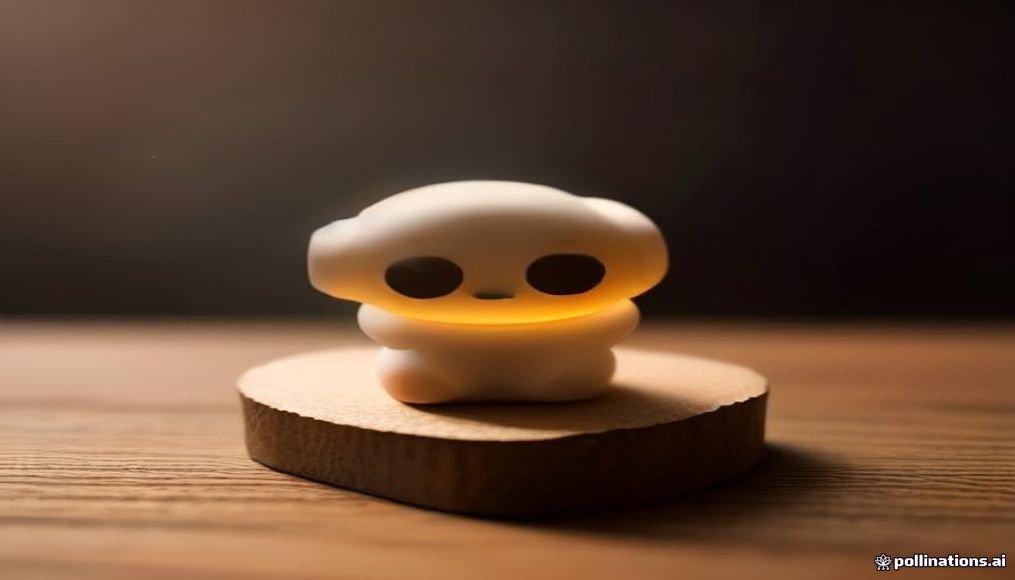
When we think about artificial intelligence gadgets, our minds usually drift toward cold metal frames, sleek glass slabs, and intimidating computer interfaces. However, the tech landscape is shifting toward a much friendlier aesthetic, especially with the introduction of the Meta Muse AI device. Instead of relying purely on high-powered productivity metrics, Meta has decided to tap into a deeply human psychological response: the undeniable power of cuteness. By designing wearable technology that feels charming, disarming, and approachable, the company is attempting to redefine how ordinary consumers interact with daily computing. As the race for post-smartphone hardware heats up globally, understanding why Meta Muse AI leans so heavily into adorable design reveals a fascinating shift in modern gadget strategy.
Hardware manufacturers have struggled for years to convince everyday users to wear smart pins, pendants, and glasses without feeling self-conscious. Traditional tech often looks overly futuristic or clinical, making it a tough sell for mainstream fashion. The Meta Muse AI project takes a radically different route by subverting these traditional expectations. Rather than intimidating users with complex lenses or glowing screens, this compact gadget is styled to evoke warmth and affection. This intentional choice lowers psychological barriers, transforming a piece of wearable tech from a foreign digital intruder into a delightful daily companion. Analysts are closely watching how this strategy plays out in real-world consumer testing, particularly as tech giants battle for dominance in the emerging post-smartphone ecosystem.
The Psychology Behind Approachable Technology
Human beings are biologically wired to respond positively to cute features, a phenomenon that triggers caregiving instincts and reduces anxiety. When a device like Meta Muse AI adopts these endearing visual and interactive traits, it immediately diffuses the tension often associated with surveillance or voice-activated gadgets. People feel less guarded around a device that looks charming rather than clinical. This psychological softening is crucial for adoption rates because comfort breeds daily usage. If a wearable assistant feels like a friendly companion, users are far more likely to keep it clipped to their bags, clothing, or keychains throughout the day.
- Reduces user anxiety regarding new wearable hardware formats
- Encourages longer daily interaction times through friendly design
- Transforms complex artificial intelligence into an approachable lifestyle accessory
- Shifts consumer perception away from intimidating surveillance tech
Integrating friendliness into hardware engineering requires a delicate balance between advanced computing capabilities and whimsical exterior design. Meta Muse AI packs sophisticated audio processing, contextual awareness, and seamless assistant connectivity into a remarkably tiny chassis. Maintaining high performance while shrinking components into such an adorable form factor is an incredible engineering feat. It proves that next-generation hardware does not need to look aggressive or hyper-industrial to command attention in a crowded marketplace.
Broader Implications for the Post-Smartphone Era
The race to replace the smartphone has seen numerous contenders, from smart rings to augmented reality glasses. Yet, many of these experiments fail because they try to cram too much functionality into uncomfortable or socially awkward form factors. Meta Muse AI sidesteps this trap by focusing entirely on charm and utility. By offering a device that doubles as a delightful fashion statement, Meta is carving out a distinct niche that appeals directly to younger demographics and lifestyle-conscious buyers who prioritize personal expression.
Critics, however, point out that charm alone cannot sustain a hardware ecosystem if the underlying AI fails to deliver practical value. While the cute factor gets people talking and buying, long-term retention depends heavily on responsiveness, battery life, and everyday usefulness. As competitors rush out their own versions of AI-powered accessories, Meta Muse AI will need to prove that its adorable exterior houses genuinely indispensable intelligence. If successful, this cute-first design philosophy could inspire an entirely new wave of friendly gadgets across the consumer electronics industry, forever changing how we perceive our digital companions.
Cultural Influences and the Rise of Emotional Hardware
The embrace of cuteness in the Meta Muse AI device is not happening in a vacuum; it mirrors broader shifts in contemporary design, gaming, and digital culture. For years, Asian markets—particularly Japan and South Korea—have mastered the art of “kawaii” and emotional branding, embedding friendly personalities into everything from public transit signage to domestic robotics. Western tech companies are now borrowing heavily from this playbook, realizing that cold utilitarianism no longer resonates with a public experiencing digital fatigue. As smart assistants become ubiquitous, consumers increasingly seek comfort rather than efficiency alone. By wrapping complex machine learning models in an emotionally resonant shell, Meta is tapping into a cultural craving for warmth in an increasingly automated world.
This cultural pivot also reflects changing attitudes toward artificial intelligence transparency. Traditional tech interfaces often project an aura of infallible authority, which can alienate users when errors inevitably occur. A device that leans into a whimsical or endearing aesthetic, by contrast, naturally invites patience and playfulness. If a friendly wearable misunderstands a voice command, the user is far more likely to chuckle than to feel frustrated or threatened. This shift in emotional framing transforms bugs and misunderstandings from frustrating tech failures into charming quirks, smoothing over the rough edges of early-stage artificial intelligence deployment.
Economic and Ecosystem Ramifications for Tech Giants
Beyond consumer psychology and cultural aesthetics, the adorable design philosophy behind the Meta Muse AI carries significant economic implications for the broader hardware ecosystem. Historically, profit margins in consumer electronics have relied on spec-driven races—faster processors, higher-resolution cameras, and larger batteries. However, as hardware commoditization compresses those margins, companies are desperately searching for new moats. Emotional branding and proprietary character design create powerful psychological lock-in that pure computational power cannot match. When a gadget transitions from a utilitarian tool to an emotional companion, consumer loyalty skyrockets, paving the way for lucrative accessory ecosystems, software subscriptions, and collectible variations.
- Shifts competitive advantage from raw hardware specs to emotional brand loyalty
- Creates lucrative secondary markets for custom skins, cases, and software personalities
- Lowers customer acquisition costs through organic, highly shareable social media appeal
- Redefines corporate marketing strategies from technical feature-dumping to lifestyle storytelling
As rivals evaluate Meta’s approach, the entire consumer electronics landscape may witness a divergence between cold enterprise tools and friendly consumer companions. Startups and legacy manufacturers alike are already rethinking their industrial design pipelines to incorporate softer curves, warmer color palettes, and more approachable interaction models. Ultimately, the Meta Muse AI could be remembered less as a standalone product and more as the catalyst for an industry-wide softening, proving that the future of computing might be won not by the smartest machine, but by the one people actually want to hug.
For more stories like this, browse our Technology coverage. For additional background, see this overview of the broader technology landscape.
